News Fashion That Pops on Screen

In an era dominated by visual immediacy, where every frame is a branding opportunity, fashion choices in the newsroom matter more than ever. It’s not simply about looking presentable—it’s about commanding attention with purpose. Screen-ready news fashion has evolved into an art form that balances broadcast practicality with bold, deliberate style.
The Anatomy of On-Screen Impact
What reads well in person may not translate on screen. Harsh lighting, high-definition resolution, and multiple camera angles expose every seam, shadow, and shimmer. As a result, journalists and media personalities have adopted fashion strategies built around visibility, clarity, and composure.
The goal? Clothing that captures attention without distraction. Apparel that anchors authority while enhancing visual presence. This is where screen-ready news fashion steps into the spotlight.
The Color Equation
Nothing affects a broadcast look more immediately than color. Vibrancy draws the eye—but only when deployed with precision. Jewel tones like sapphire, emerald, and ruby consistently outperform pastels or neon under studio lights. These shades offer richness without glare and contrast beautifully against most set backgrounds.
However, it’s not just about hue—it’s about balance. Pairing bold tops with neutral bottoms keeps the frame visually grounded. Likewise, tonal layering—such as pairing navy with cobalt or oxblood with blush—adds dimension without excess.
Color-blocking, used sparingly, is also a power move in screen-ready news fashion. A contrasting collar or waistband can subtly guide the viewer’s eye without overwhelming the overall composition.
Strategic Silhouettes
A well-chosen silhouette doesn’t just flatter the figure—it enhances authority. Structured tailoring remains the backbone of on-screen fashion. Think clean shoulder lines, sharp lapels, and smooth seams. A nipped-in waist or a boxy jacket can convey control, confidence, or approachability, depending on how it’s styled.
But stiffness is out. Movement matters. Today’s professionals opt for hybrid pieces that marry structure with stretch. Ponte knits, crepe suiting, and wrinkle-resistant fabrics allow for posture and poise without restricting natural gestures.
Peplum blouses, sheath dresses, belted jackets—these timeless shapes continue to dominate in screen-ready news fashion, not for their novelty, but for their reliability in every frame.
Prints with Purpose
Patterns have a complicated relationship with the camera. Busy prints can flicker or distort, while stripes and checks may create moiré effects on HD screens. The solution? Subtle, intentional patterning.
Micro-prints, tone-on-tone florals, and minimalist geometrics work well when calibrated to studio lighting. A monochrome polka-dot blouse under a solid blazer. A pinstripe dress softened with a neutral cardigan. These combinations inject personality while preserving legibility.
The best prints in screen-ready news fashion are those that feel modern yet understated—evocative, not overpowering.
Texture and Light
Fabric finish plays a silent yet significant role in broadcast wardrobe success. Matte is preferred. It absorbs light, reduces glare, and maintains definition on screen. High-shine materials—satins, sequins, vinyls—tend to reflect lighting rigs and distort contours.
That said, texture still has a place. Bouclé, crepe, raw silk, and fine wool blends add depth without chaos. The richness of these fabrics doesn’t scream; it resonates.
For screen-ready news fashion, texture is used to imply sophistication, not steal the scene. It’s all about knowing where to let the light land.
Accessorizing with Intention
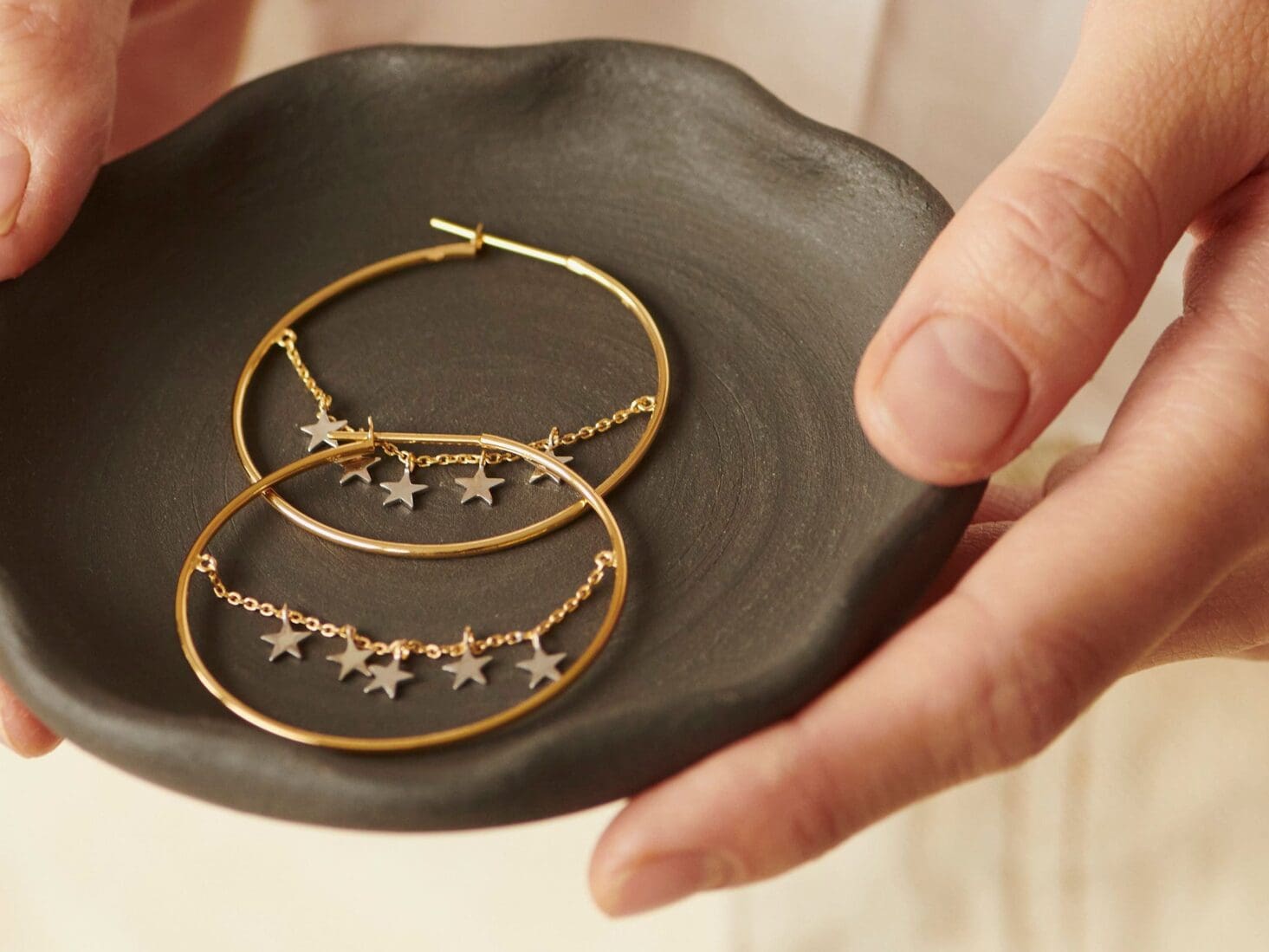
Accessories are punctuation marks in a broadcast outfit. They should add emphasis, not distraction. Bold but streamlined jewelry—think sculptural earrings, smooth cuffs, or a single statement ring—complements without competing.
Scarves, once newsroom staples, are now used more sparingly. When worn, they are sleek, tied close to the neck, or draped with architectural precision.
Belts are functional and visual: used to cinch, shape, and define. Shoes, though rarely seen, matter for posture. A clean pump or ankle boot adds polish, anchoring the body with confidence.
Everything in screen-ready news fashion serves the dual purpose of aesthetics and authority.
The New Face of Bold
The modern broadcaster is more than a mouthpiece—they’re a brand. As such, personal style is no longer sacrificed for uniformity. Colorful blazers, asymmetric cuts, and bold suiting are embraced—so long as they’re thoughtfully executed.
This doesn’t mean shock value. It means curated boldness. A crimson double-breasted jacket. An olive jumpsuit with minimalist gold buttons. A high-necked blouse in cobalt satin under a muted blazer.
It’s about visual punctuation, not fashion theater. Screen-ready news fashion is bold where it counts—shoulders, neckline, structure—and neutral where it supports.
A Future-Proof Approach
As screens multiply—from phones and tablets to studio walls and AR filters—what looks good must also adapt. Flexibility and functionality are now built into every wardrobe decision.
Journalists are choosing clothes that breathe, move, resist wrinkles, and photograph well. Sustainable fabrics, modular pieces, and even smart textiles are slowly entering the mix. Not just for comfort—but for longevity.
Screen-ready news fashion is no longer a one-time wardrobe checklist. It’s a strategy for consistency in an ever-changing visual world.
The newsroom has become a style crucible—where aesthetic intelligence meets professional integrity. With the eyes of millions watching, the right outfit does more than decorate the frame—it shapes perception.
Screen-ready news fashion is intentional, refined, and visually magnetic. It doesn’t shout. It speaks clearly—frame by frame, word by word.