Sustainable Jewellery: Why Welsh Gold Is an Ethical Choice
There has never been a better moment to think carefully about where our jewellery comes from. As consumers grow more conscious of the environmental and social footprint attached to the things they buy, the jewellery industry is facing some hard questions about mining practices, supply chains, and the true cost of precious metals. Welsh gold sits in a rather remarkable position within this conversation, and understanding why begins with the land itself.
For those browsing the Clogau Outlet collection, the appeal is often immediate: beautiful craftsmanship, heritage rooted in the Welsh landscape, and pieces that carry genuine provenance. But sustainability runs deeper than aesthetics, and it is worth unpacking exactly why Welsh gold represents a more ethical path through an industry that has, historically, left a difficult legacy.
The Scarcity That Makes Welsh Gold Special
Welsh gold is among the rarest in the world. The deposits in the Snowdonia region are genuinely limited, which has a somewhat counterintuitive environmental benefit: because so little can be extracted, there is no incentive for the kind of large-scale industrial mining that devastates landscapes in other gold-producing regions. The mining operations historically associated with Welsh gold have always been small and relatively contained, a stark contrast to the open-pit mines common elsewhere.
This scarcity also means that Welsh gold tends to be blended with other ethically sourced metals to create finished jewellery, extending its reach without compromising its character. The gold content in a piece of Welsh gold jewellery is meaningful precisely because it is hard-won and finite. Each necklace or ring containing Welsh gold carries a trace of something genuinely irreplaceable.
Supply Chains You Can Actually Trace
One of the thorniest problems in mainstream jewellery is opacity. Gold, diamonds, and gemstones frequently pass through multiple hands across several countries before reaching a retail shelf, and at each stage, the ethical standards of extraction and processing can be difficult to verify. Welsh gold sidesteps much of this complexity through its origin story: a specific geography, a defined heritage, and a relatively short chain between ground and finished piece.
Clogau, the brand behind the outlet’s curated pieces, has built its identity around this provenance. The gold collection reflects decades of working with metal that has a known point of origin, something that cannot be said for the vast majority of gold jewellery sold globally. For buyers who care about the ethics of their purchases, that traceability is not a marketing flourish. It is a meaningful distinction.
Longevity as a Sustainability Principle
Sustainable consumption is not only about sourcing; it is also about durability and longevity. Fast fashion has a jewellery equivalent in the form of cheap, disposable pieces that tarnish quickly and end up in landfill. Welsh gold jewellery occupies the opposite end of that spectrum.
The craftsmanship involved in pieces such as the iconic Tree of Life collection is designed for generational ownership. These are not pieces bought for a season; they are pieces inherited, gifted on significant occasions, and repaired and re-worn across decades. A jewellery item that lasts fifty years has a fraction of the environmental footprint of ten pieces that each last five years.
Buying through an outlet like Clogau Outlet also adds another layer of sustainability. Pre-loved or end-of-line pieces finding new homes is a circular economy in practice. The environmental cost of manufacturing has already been paid; purchasing through the outlet extends the life of these pieces rather than driving demand for new production.
What Ethical Jewellery Looks Like in Practice
Ethical jewellery is not a single certification or a simple checklist. It encompasses how metals are mined, how workers are treated, how environmental remediation is handled, and how pieces are sold and resold. Welsh gold performs well across most of these dimensions by virtue of its specific context, but it also benefits from Clogau’s commitment to British craftsmanship and responsible sourcing.
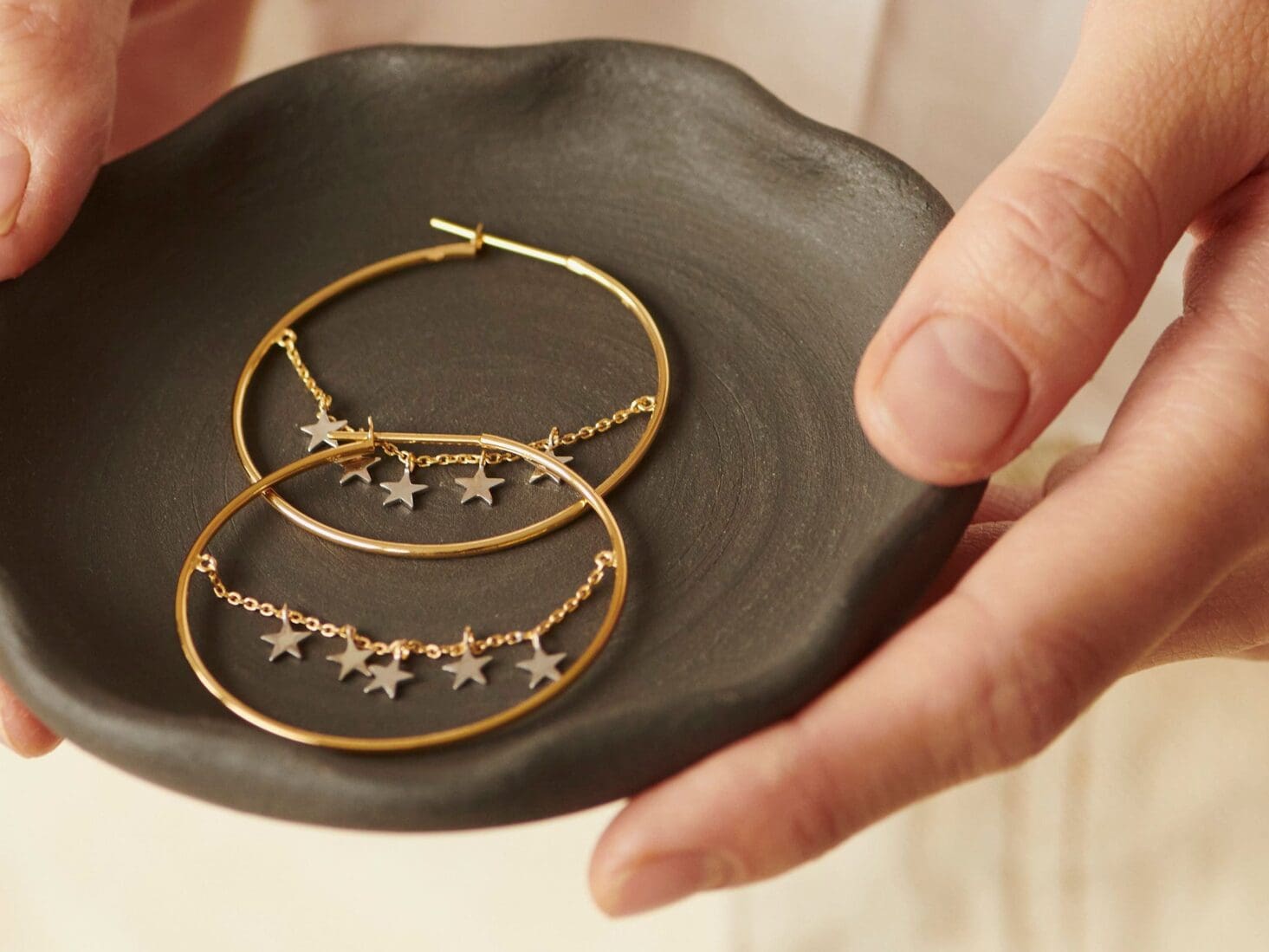
When choosing between a piece of jewellery with uncertain provenance and a pendant or a pair of earrings carrying Welsh gold, the ethical case for the latter is genuinely strong. The gold has a traceable origin, the brand has a documented heritage, and the craftsmanship reflects a tradition of quality over quantity.
The Emotional Dimension of Sustainable Choices
There is something else at play with Welsh gold that tends to get overlooked in purely functional discussions of sustainability: emotional durability. Pieces that carry genuine meaning, a story about where they come from, a heritage connected to a real landscape, are pieces that people hold onto. They are less likely to be discarded, more likely to be treasured.
The Welsh landscape that produced this gold is one of extraordinary beauty. Snowdonia’s mountains and rivers have shaped the culture and character of Wales for millennia, and there is a poetic rightness to wearing jewellery that carries a trace of that place. The bracelet on your wrist is not merely a decorative object; it is a small piece of Welsh geology, worn and carried forward.
That emotional connection matters for sustainability. Objects that are loved do not get thrown away.
A Practical Guide to Choosing More Consciously
For anyone looking to build a more ethical jewellery collection, a few principles help cut through the noise. First, prioritise provenance: ask where the gold comes from and whether that information is readily available. Second, favour durability over novelty: a single well-crafted piece will always outperform a drawer full of disposable alternatives. Third, consider the secondary market: outlets and pre-loved jewellery shops extend the life of existing pieces and reduce pressure on new extraction.
Browsing the new arrivals at Clogau Outlet reveals pieces that tick all of these boxes. The selection includes rings, necklaces, earrings, and bracelets across a range of styles, all connected by the thread of Welsh gold and quality craftsmanship. Each piece has already been made; choosing it from the outlet rather than buying new is itself an act of sustainable consumption.
Sustainable jewellery is not about deprivation or sacrifice. It is about choosing pieces that last, that carry meaning, and that come from sources you can feel good about. Welsh gold, with its extraordinary rarity, its traceable provenance, and its deep connection to a specific and beloved landscape, makes that choice easier than it might otherwise be.