Body Spa Techniques for Ultimate Calm

In today’s frenetic world, finding moments of serenity can feel like an elusive quest. However, through the artful practice of calm spa techniques, you can craft a sanctuary of tranquility right within your own body and mind. These techniques are designed not only to relax tense muscles but also to soothe the nervous system, promoting profound inner peace and holistic rejuvenation.
Unlocking the secret to ultimate calm lies in understanding how each technique interacts with your body’s natural rhythms and stress pathways. From slow, deliberate strokes to the gentle embrace of warmth and aromatics, each method contributes to a symphony of relaxation that lingers long after the session ends.
The Pillars of Calm: Understanding the Mind-Body Connection
The body and mind exist in an intricate feedback loop, where physical tension often mirrors mental stress. To achieve ultimate calm, one must address both aspects concurrently. Calm spa techniques tap into this duality by using tactile stimulation, controlled breathing, and sensory immersion to lower cortisol levels, reduce heart rate, and activate the parasympathetic nervous system — our body’s natural relaxation response.
Harnessing this interplay means your spa experience transcends mere pampering. It becomes a restorative ritual that recalibrates your entire being, fostering resilience against future stressors.
Aromatherapy: The Olfactory Gateway to Calm
One of the most potent yet underappreciated calm spa techniques involves the strategic use of essential oils. The olfactory system is uniquely wired to influence emotional centers in the brain, particularly the amygdala, which governs fear and anxiety responses.
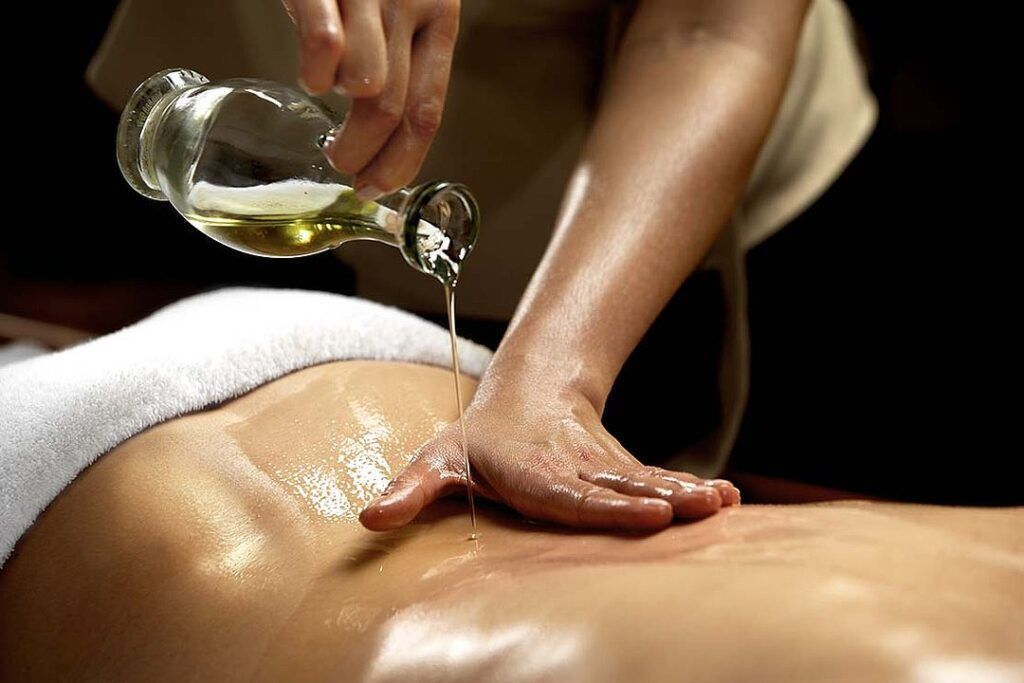
Lavender, chamomile, sandalwood, and bergamot oils are renowned for their calming properties. Diffusing these scents or incorporating them into massage oils creates a sensory backdrop that gently quiets the mind. The subtle inhalation of these aromas can induce a meditative state, perfect for deep relaxation.
Slow-Stroke Massage: The Dance of Tranquility
Central to calm spa techniques is the use of slow, rhythmic massage strokes that mimic the pace of the heartbeat during states of rest. Known as effleurage, these gentle, gliding movements encourage blood flow and lymphatic drainage while triggering mechanoreceptors in the skin that send soothing signals to the brain.
This method contrasts sharply with vigorous massage styles. Instead of stimulating the muscles aggressively, it focuses on coaxing the nervous system into a state of ease. The result is a profound sense of calm that permeates both body and mind.
Warmth Therapy: Embracing the Healing Heat
Heat is a universal comfort, and in spa settings, it is harnessed through techniques such as warm stone therapy, heated towels, or thermal wraps. Applying warmth dilates blood vessels, enhancing circulation and loosening tight muscles. This physiological response signals the nervous system to reduce its alertness level, thus promoting relaxation.
Combining warmth with massage or hydrotherapy multiplies its calming effects. A warm compress placed on areas prone to tension, such as the neck or lower back, can dissolve stress knots and pave the way for deeper relaxation.
Hydrotherapy Rituals: The Element of Flow
Water’s restorative properties have been revered for millennia, and modern spa traditions continue to integrate hydrotherapy as a quintessential calm spa technique. Warm baths infused with calming herbs like lavender or chamomile soothe skin and muscles while encouraging mental tranquility.
Contrast hydrotherapy, which alternates between warm and cool water, stimulates circulation and refreshes the body without triggering the sympathetic nervous system. This nuanced interplay of temperatures can harmonize the body’s stress response, effectively resetting the nervous system to a state of calm.
Breathwork and Body Awareness: Anchoring the Present
Breathing is the thread that connects mind and body. Incorporating conscious breathwork into spa treatments amplifies the relaxation response exponentially. Techniques such as diaphragmatic breathing or slow-paced pranayama slow the respiratory rate, reducing sympathetic arousal and fostering parasympathetic dominance.
Complementing breathwork with guided body awareness—focusing attention sequentially on different parts of the body—enhances mindfulness. This process cultivates a serene internal landscape, free from intrusive thoughts and anxiety.
Lymphatic Drainage Massage: Detoxifying with Delicacy
Often overlooked, lymphatic drainage is a subtle, specialized massage technique designed to stimulate the lymphatic system, aiding in detoxification and reducing fluid retention. Gentle, rhythmic strokes propel lymph fluid through the vessels, boosting immunity and alleviating swelling.
This technique’s delicate touch is intrinsically calming, as it works without deep pressure, allowing the body to relax fully. Clients often describe feeling lighter, less bloated, and deeply serene following lymphatic massage.
Sound Therapy: Resonance and Relaxation
Sound waves have a profound impact on brainwaves and emotional states. Integrating gentle sound therapy, such as crystal bowls, tuning forks, or soft ambient music, complements other calm spa techniques by entraining brain frequencies to alpha or theta states—associated with deep relaxation and meditative awareness.
The vibrations created by sound instruments can also resonate physically, easing muscle tension and fostering a holistic sense of calm.
Mindful Touch and Intention
The intentionality behind touch transforms a simple massage into a transcendent experience. Skilled therapists imbue each stroke with mindfulness, cultivating a nurturing presence that envelops the client in safety and care. This mindful touch activates oxytocin release—the hormone associated with bonding and stress reduction—further deepening the calming effect.
For those practicing self-care, embracing mindful touch means slowing down and being present with each movement, fostering a loving connection with your own body.
Integrating Calm Spa Techniques Into Daily Life
The beauty of these calm spa techniques is their adaptability. While a professional spa setting offers an ideal environment, many elements can be incorporated into daily routines. A few minutes of focused breathwork, a warm foot soak with essential oils, or self-massage using gentle strokes can be powerful tools to access calm throughout the day.
Creating pockets of tranquility in a busy life helps build resilience and reduces the cumulative burden of stress, making moments of ultimate calm more accessible.
Achieving ultimate calm through body spa techniques is a multidimensional journey. It invites a harmonious fusion of touch, scent, sound, warmth, and breath to lull the nervous system into deep relaxation. Embracing these calm spa techniques is not merely an act of indulgence—it is an essential practice for nurturing well-being in the modern age.
By weaving these rituals into your lifestyle, you create an oasis of peace that supports your physical health, emotional balance, and mental clarity. Ultimately, the pursuit of calm is a profound act of self-respect and renewal, paving the way for a more centered, vibrant life.